OpenArt turns imagination into visual stories—from idea to final frame. Make wonders with OpenArt.


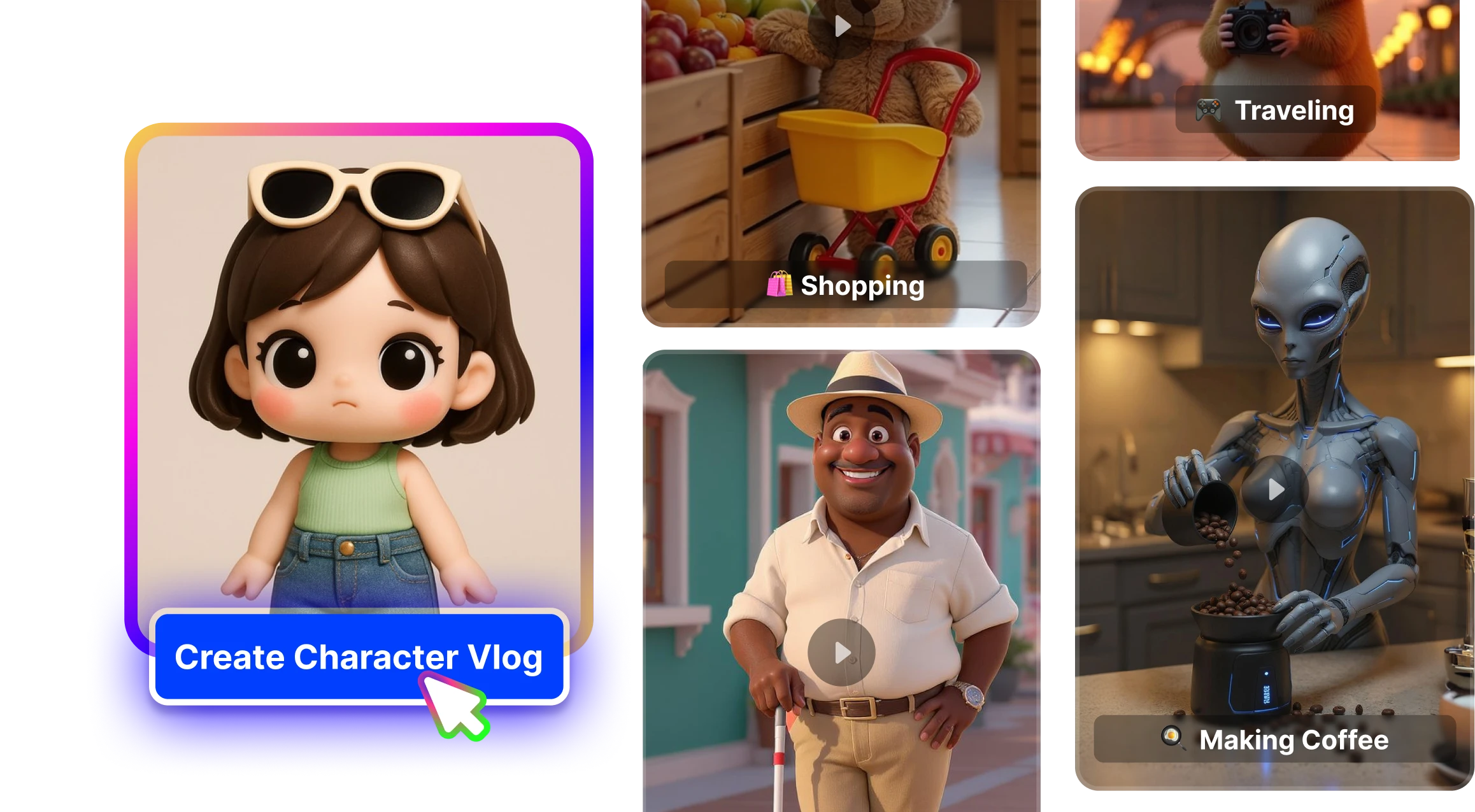
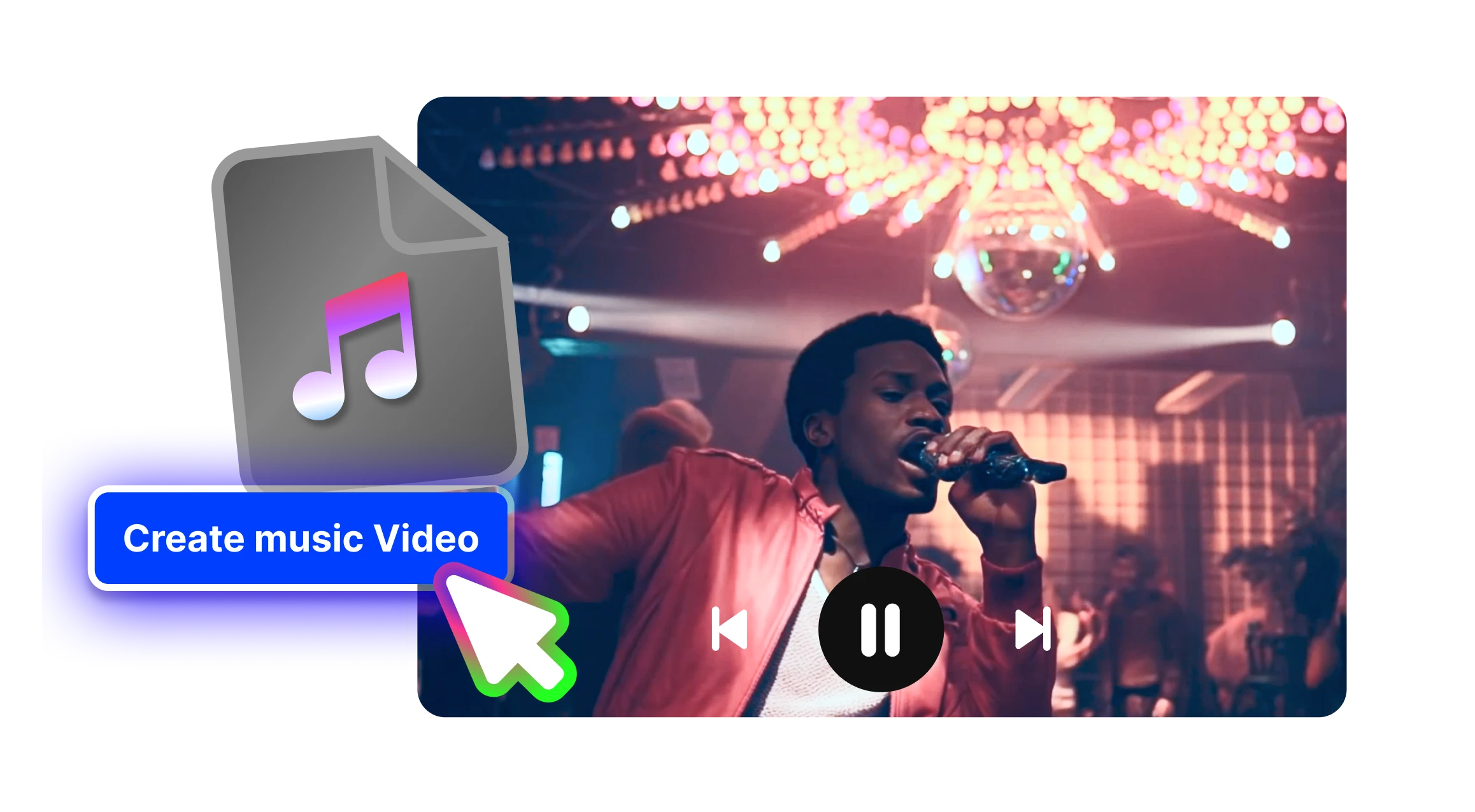

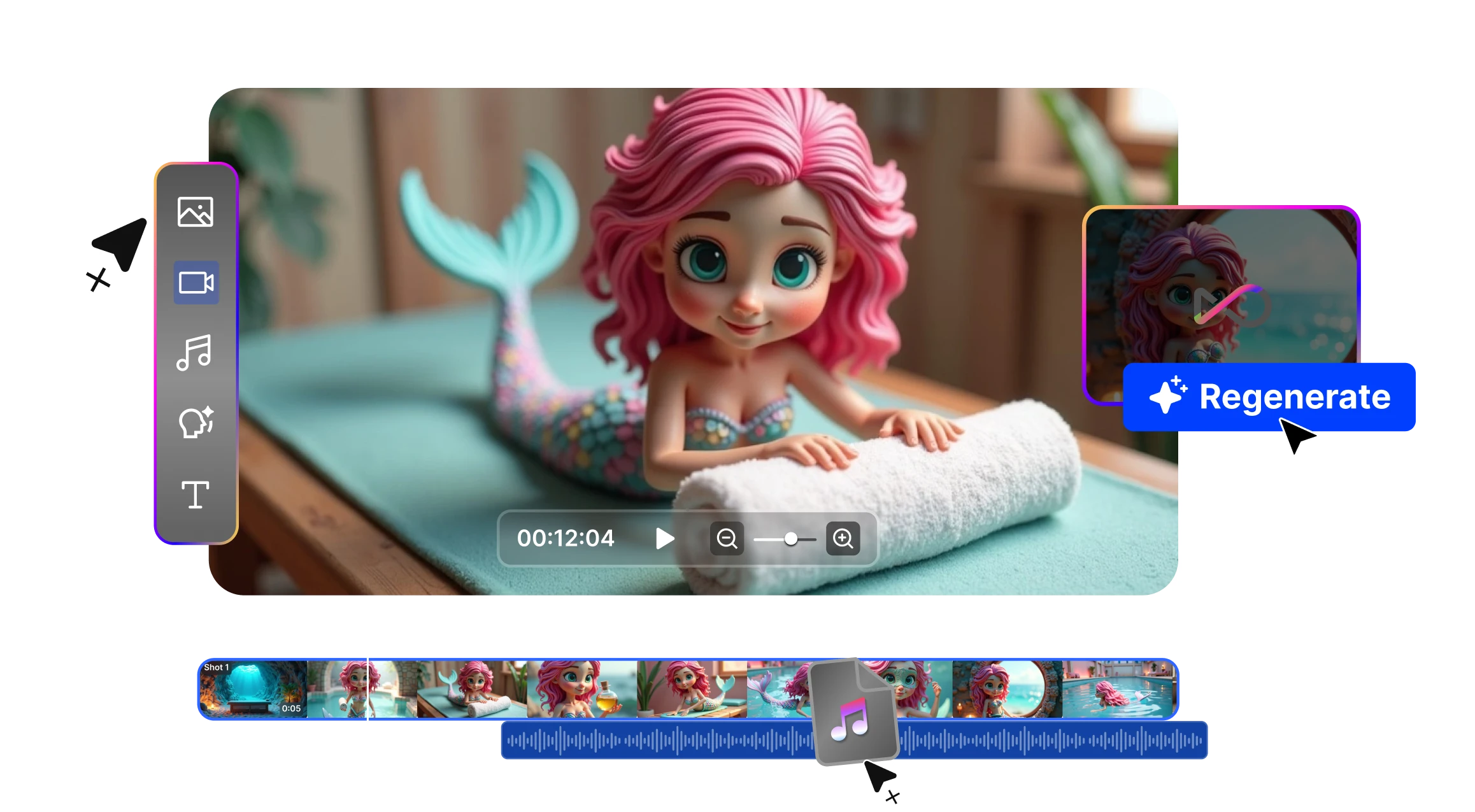
OpenArt gives you the power to turn any idea into a captivating visual story, within minutes.Whether you're creating viral social media posts, explaining a concept, or building brand content, OpenArt is where ideas become visual stories.
Creating a tutorial? Making a montage? Producing an ad? Make the most out of your photos. Convert an image to video on OpenArt for free and use our intuitive editing tools to make your visual story come alive.


Break free from the constraints of traditional AI art generators. With OpenArt, using prompts is optional, allowing you to bring your visions to life unrestricted. Interact with our AI on your terms and unleash creativity like never before.
OpenArt Characters lets you create images of consistent characters from just one image or description. Pose, place, and combine them in any scene for infinite storytelling possibilities.


Experience the future of image creation with OpenArt's innovative suite of AI-powered tools. From effortless InPainting to precise object removal, our advanced features empower you to achieve stunning transformations in seconds.
Many professors upload their through Chapter 28 (DNA Metabolism) slides to public course websites. Search using specific strings:
Instead of building complex metabolic charts from scratch, professors can use ready-made slides as a template, adding personal commentary or case studies. For Students and Self-Learners
Cellular, chemical, physical, genetic, and evolutionary foundations.
Creating hundreds of biochemistry slides from scratch is incredibly time-consuming. Fortunately, several legal and academic resources offer pre-made Lehninger PPT templates and slide decks.
The official publisher, Macmillan Learning, provides supplementary materials for adopters of Lehninger’s Principles of Biochemistry . These materials include PowerPoint slides that align precisely with the textbook’s chapters, complete with all figures and diagrams from the book. While these resources are typically restricted to instructors, students may access them through their course learning management systems, such as Canvas or Blackboard.
Slides force you to ask: What happens on this slide? before clicking to the next. This is superior to passive reading.
Each slide deck should begin with clear learning goals that align with the textbook chapter. For example, the Chapter 1 presentation explicitly lists objectives such as “distinguishing features of living organisms” and “structure and function of the parts of the cell”.
Lehninger PPTs leverage standard textbook diagrams featuring high-quality ribbon models of proteins, DNA double helices, and phospholipid bilayers. Seeing the exact spatial arrangement of an enzyme's active site helps students grasp the concept of induced fit and competitive inhibition. 3. Conceptual Scaffolding
The Central Dogma.
In the days leading up to an exam, revisit the slides in their entirety. The concise format is perfect for last-minute review, reinforcing the major concepts without the distractions of lengthy prose. Many courses explicitly design their exams to test concepts presented in the slides. One university course syllabus stated that “the exams in this course will mainly emphasize problem solving, data analysis, and concept mastery as opposed to rote memorization. Thus, in studying for the exams, you should focus on understanding the concepts well enough to apply them in problem solving situations”.
Structure of monosaccharides, disaccharides, and polysaccharides.
One of the biggest hurdles is understanding the complex diagrams. Here is your Rosetta Stone for the visuals:
Enzyme mechanisms, Michaelis-Menten kinetics, regulation. Section II: Bioenergetics and Metabolism
Lehninger’s diagrams are renowned for their clarity and accuracy. Including these figures in slides maintains consistency between lectures and readings. One university course confirmed that “the majority of the slide figures on the PowerPoint slides shown in this course were taken from the 6th edition”.
Lehninger PPT resources are far more than simple lecture aids. They are comprehensive learning systems that, when used strategically, can dramatically accelerate your mastery of biochemistry. From the foundational concepts of water and weak interactions to the intricacies of metabolic regulation and signal transduction, these slides transform the textbook’s rich content into an accessible, visual, and memorable format.
Explore the power of AI to bring your ideas to life. Generate, refine, and innovate—your creative journey starts here.